
Technology · The American Take
AI Giant Admits Its Product Helped Iran-Linked Actors Target U.S. Forces
Anthropic says an Iran-nexus threat actor used Claude to track U.S. naval movements, research ship vulnerabilities and develop targeting recommendations against American forces.
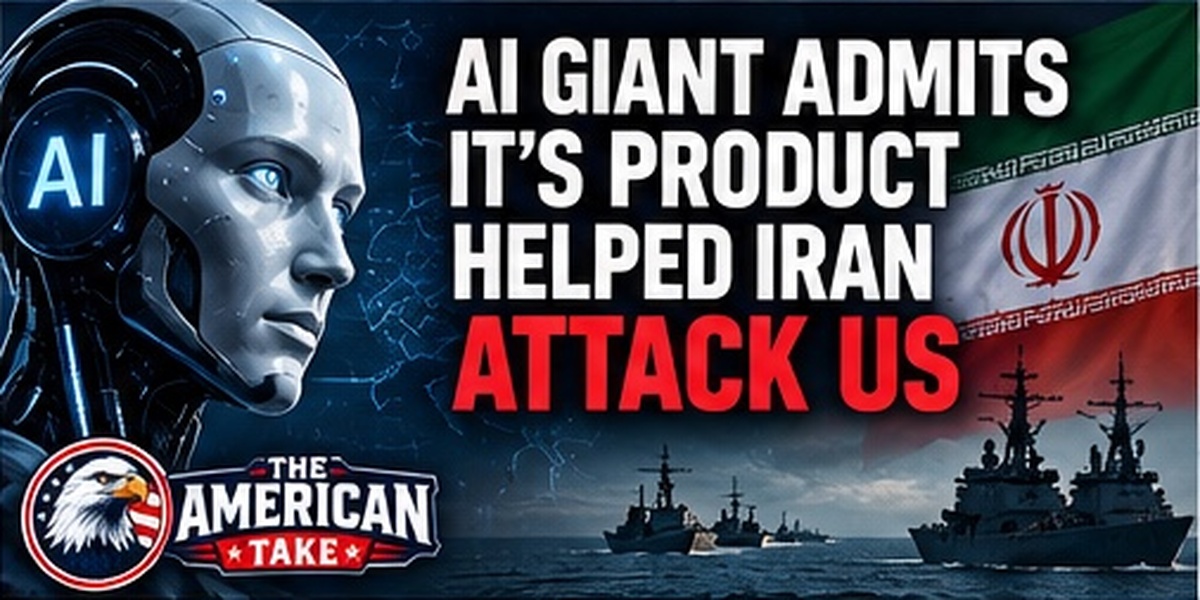
Anthropic says it disrupted an Iran-linked operation that used its Claude artificial-intelligence system to collect and analyze information for targeting recommendations against U.S. naval forces in the region.
According to Anthropic’s September threat-intelligence report, an Iran-nexus actor used Claude to compile targeting handbooks and help build a Python pipeline that identified and tracked naval positions using publicly available information.
The material included public ship and aircraft transponder identifiers, commercial satellite-imagery queries, websites exposing naval movements and names of U.S. personnel scraped from military-photo captions. Anthropic also said the actor used Claude to research known cybersecurity vulnerabilities in shipboard communications and industrial-control equipment.
Anthropic’s wording is important: it said the system was used to develop “targeting recommendations against US naval forces.” That supports describing the activity as planning for targeting, but it does not establish that Claude independently selected a target, launched an attack or controlled a weapon. The company said it banned the account, developed additional detections and shared threat intelligence with government authorities.
The episode shows why the military implications of consumer AI are becoming difficult to dismiss. AI can compress parts of open-source intelligence, coding and vulnerability-research workflows, giving hostile actors faster ways to turn public data into operationally useful analysis. For the United States, the issue is no longer theoretical: an AI company is publicly documenting attempted use of a frontier model against American forces.
 A product of The American Take · Essential context. Deeper insight. A clearer view ahead.
DIRECT. SIMPLE. YOUR INBOX.
One email. No middleman.
No algorithm deciding whether you hear from us. No social platform standing between you and The American Take. Just The Personal Daily Brief, sent directly.