
Current Events · The American Take
The Oil Supply Gap Is Widening — and Energy Security Is Back on the Agenda
The IEA is warning that disrupted Gulf flows could deepen the 2026 supply shortfall and keep pressure on fuel markets.
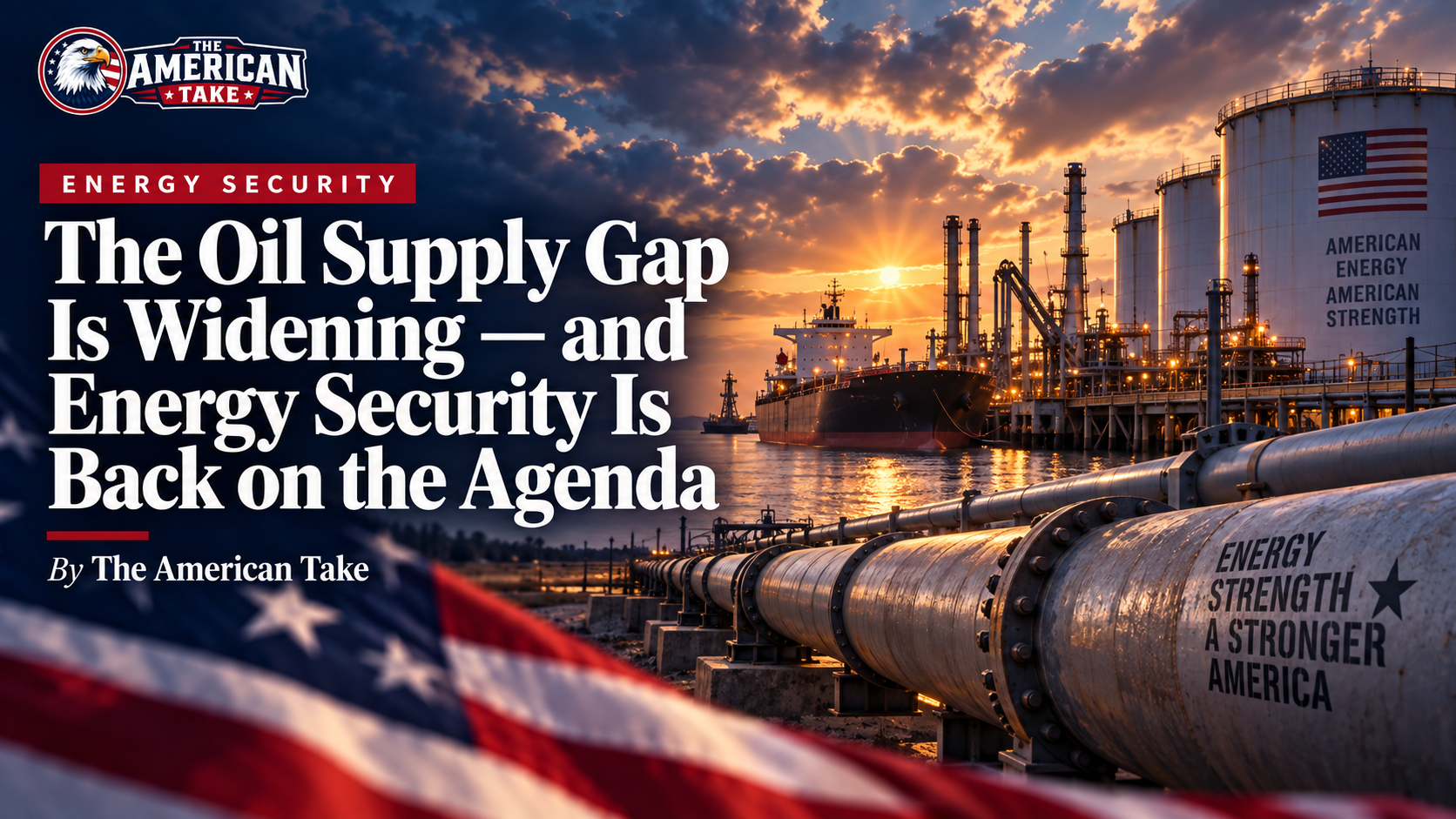
The International Energy Agency has warned that the global oil supply gap could deepen as normal Gulf flows remain disrupted. The agency now expects a larger decline in supply than it projected earlier, with conflict and attacks on energy infrastructure reshaping the market.
The numbers matter because oil remains embedded in nearly every part of the economy. Higher crude prices eventually reach transportation, manufacturing, agriculture and shipping. Diesel is especially important because it powers much of the physical economy that moves food and goods.
The current episode is also a reminder that energy abundance and energy resilience are not the same thing. A country can produce large amounts of oil and still be vulnerable to global price shocks if refining capacity, shipping routes or allied supply networks are constrained.
Policy should therefore be broader than “drill more” or “transition faster.” Resilience means domestic production, adequate refining, strategic reserves, diversified supply, infrastructure security and realistic planning for the fuels the economy still uses today.
Energy policy becomes most expensive when it is treated as ideological until a crisis arrives. The widening supply gap is a warning to think about capacity before scarcity forces the issue.
 A product of The American Take · Essential context. Deeper insight. A clearer view ahead.
DIRECT. SIMPLE. YOUR INBOX.
One email. No middleman.
No algorithm deciding whether you hear from us. No social platform standing between you and The American Take. Just The Personal Daily Brief, sent directly.