
Opinion · The American Take
The GOP’s 2028 Bench Is Taking Shape Earlier Than Anyone Admits
Vance, Rubio, DeSantis and Cruz are already being discussed as the next generation of Republican leadership — even with 2026 still unfinished.
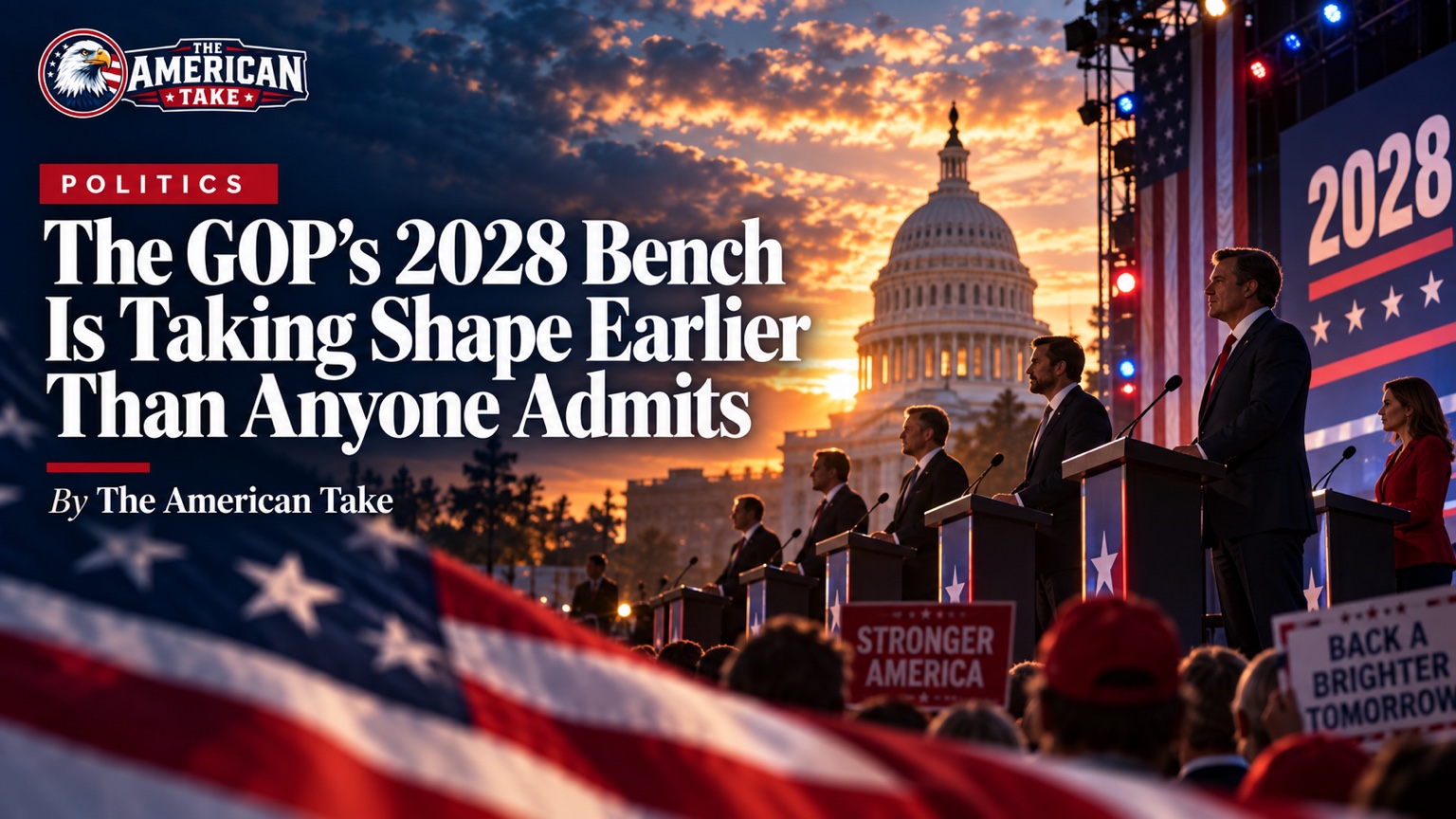
Political parties rarely wait for permission to start thinking about the next election. In Dallas, Republican activists were already talking openly about the post-Trump field, with Vice President JD Vance, Secretary of State Marco Rubio, Florida Gov. Ron DeSantis and Sen. Ted Cruz among the names circulating most often.
Vance has an obvious institutional advantage. He is vice president, he has a national platform and he has positioned himself as a bridge between Trump’s populist coalition and a younger generation of voters. Rubio brings foreign-policy experience and long-standing national relationships. DeSantis and Cruz each retain strong ideological constituencies of their own.
The temptation is to treat the discussion as premature horse-race coverage. It is more useful to see it as a window into what Republican voters may want next. The party has absorbed Trump’s priorities on immigration, trade and distrust of institutions, but it has not yet decided which parts of Trumpism depend on Trump himself.
That distinction will define the 2028 primary. A successor can imitate Trump’s rhetoric, but voters may be looking for something different: the same policy direction with a different temperament, a more disciplined governing style, or an even sharper version of the populist project.
Nothing is settled. Trump has not anointed a successor, and political conditions can change dramatically in two years. But the bench is no longer theoretical. The next Republican argument has already started.
 A product of The American Take · Essential context. Deeper insight. A clearer view ahead.
DIRECT. SIMPLE. YOUR INBOX.
One email. No middleman.
No algorithm deciding whether you hear from us. No social platform standing between you and The American Take. Just The Personal Daily Brief, sent directly.